If you are looking for joinery services for a construction project, you can hire a specialist today. The role of joinery in the construction industry goes far beyond simple woodwork. Joiners help create many of the timber products that give buildings their shape, function and finish. Their work supports both the structure and appearance of a project, from doors and windows to staircases, cabinets and fitted furniture. In many cases, the quality of the finished building depends on the skill, experience and care of the joiners involved.
What Is A Joiner?
A joiner is a skilled tradesperson who works mainly with wood and timber to create a wide range of items used in building and interior spaces. A joiner will often work in a workshop, where they use tools, machinery and woodworking methods to produce precise pieces and components ready for installation. These can include doors, windows, staircases, cabinets, tables and other fittings.
The joiner plays an important role in turning raw materials into complete products that contractors and carpenters can use on site. This occupation needs strong practical skills, attention to detail and a good understanding of measurements, materials and design. Joiners also need to ensure that every item is made to fit properly, work safely and match the needs of the project.
The Role Of Joinery In Construction
Joinery is important because it helps create the timber components used throughout the built environment. In both domestic and commercial buildings, joinery work is needed for structural features and for decorative finishes. Joiners produce items that improve how spaces look, feel and function. For example, they may construct internal doors, external doors, window frames, stairs, floors, fitted storage and furniture for homes, offices and other buildings.
A large part of the role involves joining pieces of wood with accuracy so they are strong, neat and long-lasting. This is why traditional methods such as mortise and tenon joints are still valued today. These methods are used for joining pieces securely and can often provide greater strength than simple nails or screws alone. Good joinery helps ensure that wood together with other materials performs well over time.
Joinery also supports the full building process by making sure important fittings arrive ready for installation. This can save time on site, reduce waste and help the job run more smoothly. When a joiner and carpenter work well together, the result is often a higher standard of finish across the whole project.
Joinery Vs Carpentry
Joinery and carpentry are closely linked, but they are not the same. Carpentry and joinery both involve working with timber, but the place and type of work are often different.
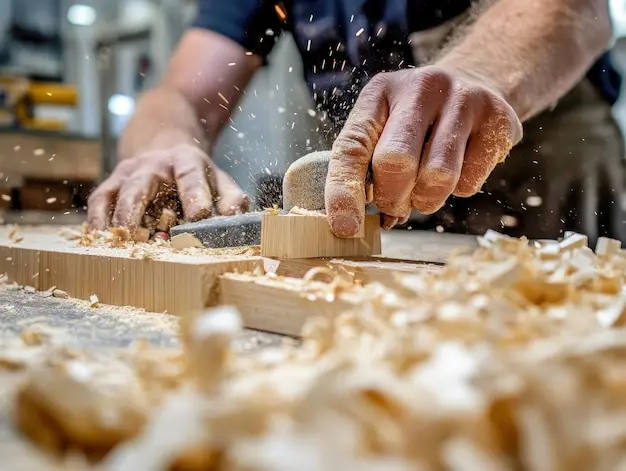
Joiners usually work in a workshop, where they create products such as doors, windows, staircases, cabinets and furniture. They use machinery and hand tools to shape timber, cut joints and assemble pieces of wood into complete items. Their work focuses on precision, detail and producing products that are ready to fit.
A carpenter is more likely to work on site. Carpenters fit and install the items that joiners make, and they often deal with larger building structures such as floors, roofs, stud walls and timber frameworks. Carpenters use a range of tools and materials to complete the job in changing site conditions.
In simple terms, the joiner is often responsible for creating timber products, while the carpenter is more focused on fitting them into the building. On many projects, joiners and carpenters work together to complete the full construction process.
Common Jobs For Joiners
Joiners carry out a wide variety of duties. One common area of work is making bespoke doors windows and frames. These products need to fit well, look good and offer lasting performance. Joiners can create traditional or modern styles to suit different types of properties. Careful planning is needed to make sure the size, shape and finish are right for the building.
Joiners also produce staircases and stairs in many styles. Timber staircases can add character and warmth to a home or commercial space. A joiner may create each part, from the strings and treads to the handrails, spindles and newel posts. This work needs accuracy because stairs must be safe, comfortable to use and suited to the available space.
Another important part of joinery is fitted furniture. Joiners can create cabinets, wardrobes, shelving, tables and storage units that fit around difficult spaces such as alcoves, sloping ceilings or large windows. This is especially useful when standard furniture does not fit properly. Bespoke joinery can make better use of space while giving a room a more finished look.
Joiners may also produce timber products for floors, wall panels, reception desks, shop fittings and other interior features. Their role can cover a broad range of jobs depending on the project, the client and the type of building.

Materials Used In Joinery
Wood remains the main material used in joinery, but there is still a wide variety to choose from. Joiners often work with hardwoods and softwoods, depending on the use, budget and look required. Oak, walnut, maple and sapele are popular choices for high-quality interior work, while other timber materials may be used where strength, cost or appearance are the main concern.
The choice of material affects how the product performs over time. A joiner must understand which wood is best for doors, windows, staircases, furniture and other fittings. They also need to think about moisture, movement, wear and the conditions the product will face after installation. This knowledge helps ensure the final result is durable and fit for purpose.
Why Precision Matters In Joinery
Precision is one of the most important parts of joinery. Every measurement, cut and joint needs to be correct so the finished product fits exactly where it is needed. A poor fit can lead to problems during installation and may affect the look or strength of the work.
This is why joiners spend time checking plans, measuring carefully and using the right resources and tools for each stage. In a workshop, they can control conditions more easily and produce parts to a high standard. Accurate joinery helps reduce mistakes on site and supports a smoother building process from start to finish.
Traditional Craftsmanship And Modern Methods
Although joinery has a long history, the trade continues to develop. Traditional woodworking methods are still important, especially for bespoke work and restoration. Techniques such as mortise and tenon joints remain a strong example of skilled craftsmanship and are often used when strength and appearance matter.
At the same time, modern joiners may use machinery, digital plans and other systems to improve speed and accuracy. This allows them to create a wide variety of products for modern construction while still keeping the quality associated with traditional joinery. The best results often come from combining experience, practical skills and modern methods.
Benefits Of Joinery
Joinery offers many benefits in construction. One of the main advantages is quality. Well-made timber products can improve the finish of a building and help create a more attractive space. Whether the project includes doors, windows, cabinets or staircases, bespoke joinery can add character and value.
Another major benefit is flexibility. Joiners can create products in a variety of shapes, sizes and styles. This is useful when standard items are not suitable. Bespoke joinery can help people make better use of awkward spaces and achieve a design that matches the rest of the building.
Joinery can also support sustainability. Timber is a renewable resource when it is sourced responsibly, and wood can offer natural warmth and insulation. In some cases, this can help improve comfort and energy performance in homes and other buildings.
A further advantage is durability. When a skilled joiner uses the right materials and techniques, the finished product can last for many years. Strong joints, good design and careful installation all help complete work to a high standard.
The Skills Needed To Become A Joiner
To become a joiner, a person needs a mix of practical ability and technical understanding. Important skills include measuring accurately, using hand and power tools safely, reading drawings and understanding how different materials behave. Problem-solving is also needed, especially when creating bespoke fittings or working on unusual spaces.
Many people enter the occupation through apprenticeships. An apprenticeship gives learners the chance to gain experience while developing the skills needed for real projects. Apprenticeships are a common route into the construction industry because they combine hands-on learning with useful information about health and safety, materials, installation and good working practice.
For anyone interested in a joinery career, it is worth finding out about local apprenticeships, training providers and employers. With the right support and experience, a joiner can build a rewarding career and take on a wide range of duties across the building trade.
Why Joinery Is Still Essential
Joinery remains essential because buildings need more than basic structure. They need doors that open and close properly, windows that fit securely, stairs that are safe, and furniture and fittings that suit the space. Joiners help create these important parts with care and precision.
From producing pieces of wood in a workshop to supporting installation on site, joinery has a clear and lasting role in construction. It brings together design, function and craftsmanship, helping to create spaces that are practical, durable and visually appealing. Whether the job involves small fittings or large timber components, the work of a joiner continues to be a valuable part of the modern built environment.
Are you planning a commercial property refurbishment in Glasgow or the surrounding areas of Scotland? Contact our commercial building contractors to discuss our building refurbishment services.
Joinery Services Near Me Scotland